About
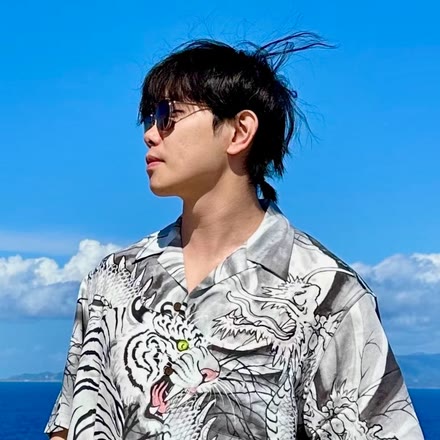
I am a PhD candidate at EPFL, Switzerland, working with Prof. Alexandre Alahi at the VITA Lab. Before EPFL I received my M.Sc. in Robotics, Systems and Control from ETH Zurich and B.E. in Navigation Engineering from Wuhan University.
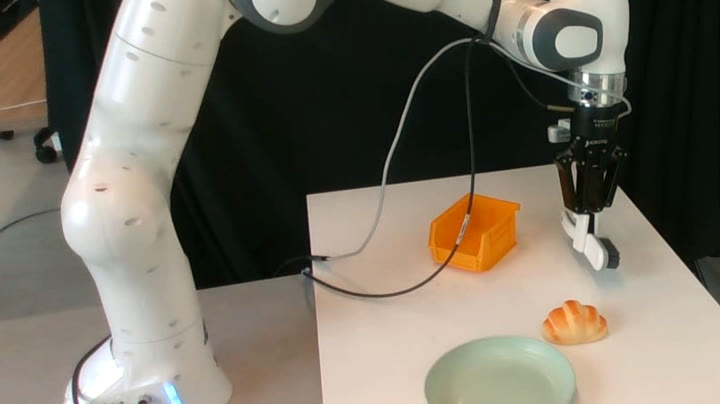
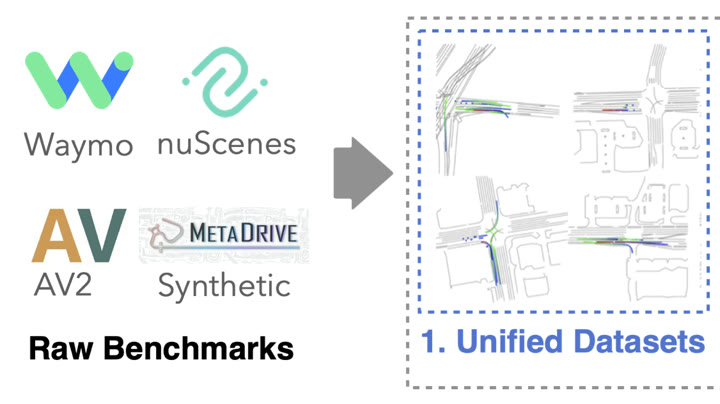
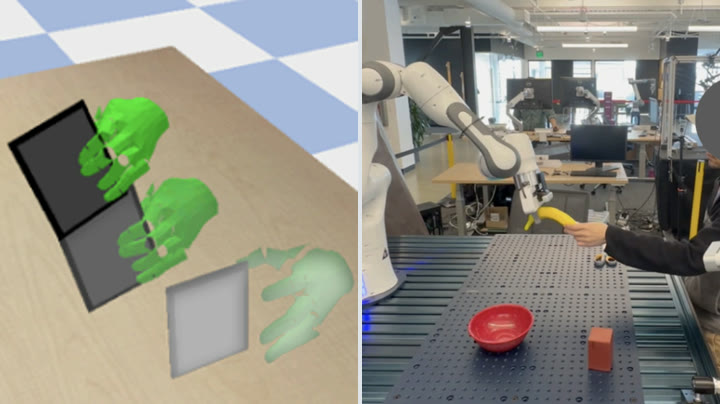
I have built synthetic training data for physical AI since before my PhD. For my master's thesis at the AIT Lab, ETH Zurich, with Prof. Otmar Hilliges and NVIDIA, I trained human-to-robot handover policies on synthetic hand-object motions (SynH2R). Earlier, with Prof. Bolei Zhou at UCLA, I worked on generative simulation for reinforcement learning.
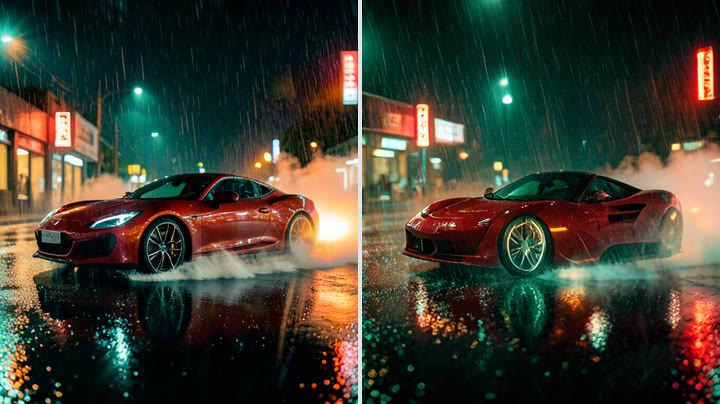
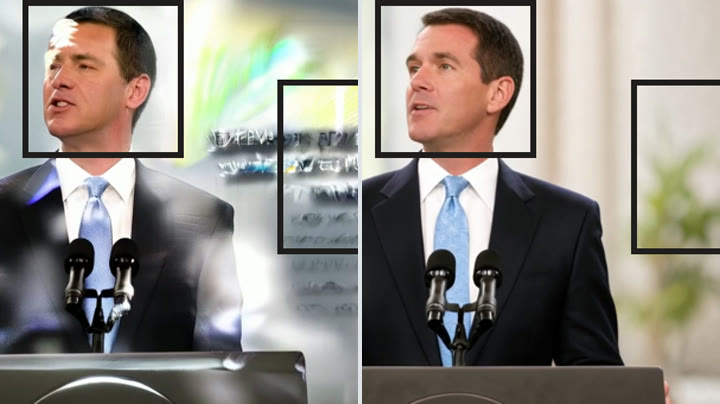
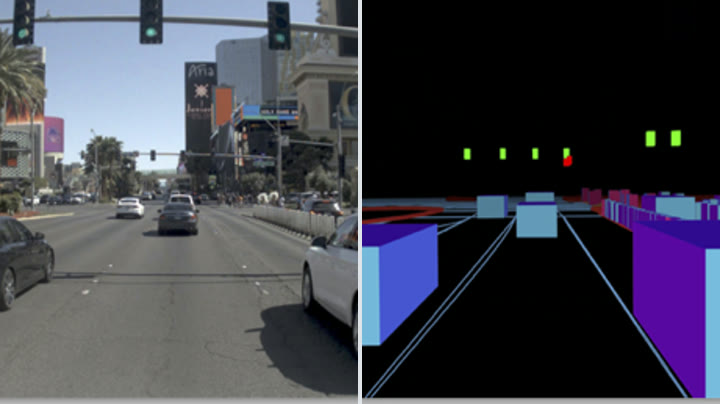
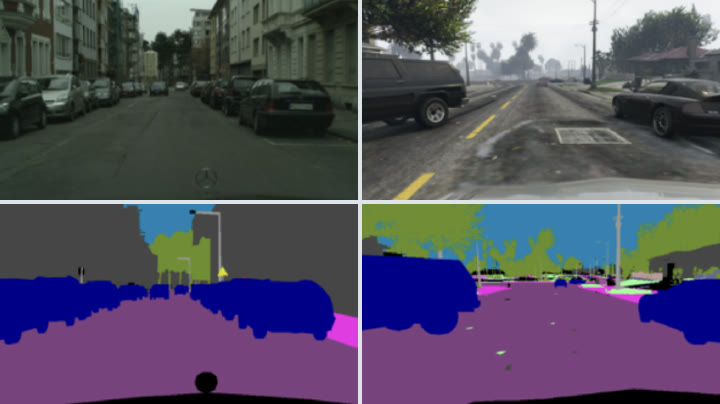
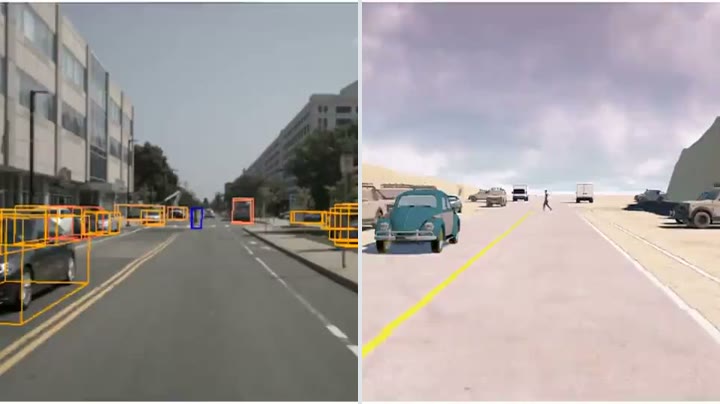
My current research makes generation itself cheap. RDM trains one-step generators by matching feature distributions under frozen encoders, and turns the four-step FLUX.2 [klein] into a one-step model that beats its teacher. PTD, from my internship at NVIDIA Research, distills the 33B audio-video model MiniMax-H3 into a four-step generator with LoRA alone; its videos are more diverse and more natural than those from DMD-style distillation, at matching motion quality. On the data side, TAROT (ICML 2025) selects training data with optimal transport, and RAP (ICLR 2026) shows that policies can be trained on cheap 3D rasterizations instead of photorealistic renders. I have also worked on minute-scale human animation (EverAnimate, NeurIPS 2026) and on world models that let a robot plan toward goals given in language (Grounded World Model).
Next, I am combining these into world models that are fast enough for closed-loop training and that generate the situations a policy fails on. I am looking for a research internship in 2027, and I am open to collaborations on these topics.
Selected Publications
* equal contribution. Full list on Google Scholar.
Generative models
World models and data for physical AI
Other work
Fan Nie, Lan Feng, Haotian Ye, Weixin Liang, Pan Lu, Huaxiu Yao, Alexandre Alahi, James Zou
COLM 2025 · w/ Stanford
Yang Gao, Po-Chien Luan, Kaouther Messaoud, Lan Feng, Alexandre Alahi
Transportation Research Part C, 2026
Lan Feng*, Quanyi Li*, Zhenghao Peng*, Shuhan Tan, Bolei Zhou
ICRA 2023 · w/ UCLA
Quanyi Li*, Zhenghao Peng*, Lan Feng, Qihang Zhang, Zhenghai Xue, Bolei Zhou
IEEE TPAMI, 2022
Quanyi Li, Zhenghao Peng, Haibin Wu, Lan Feng, Bolei Zhou
NeurIPS 2022
Contact
The best way to reach me is by email at lan.feng@epfl.ch. I am based in Zurich, Switzerland. I also use X/Twitter and LinkedIn.
I am especially interested in collaborating on: (i) one- and few-step image and video generation, (ii) world models that generate training experience for physical AI, and (iii) choosing which data to generate and train on.